Intermodal Drayage Insurance in Alabama and Beyond
Coverage Built for Port and Rail Operations
Protection for container hauling and intermodal transport
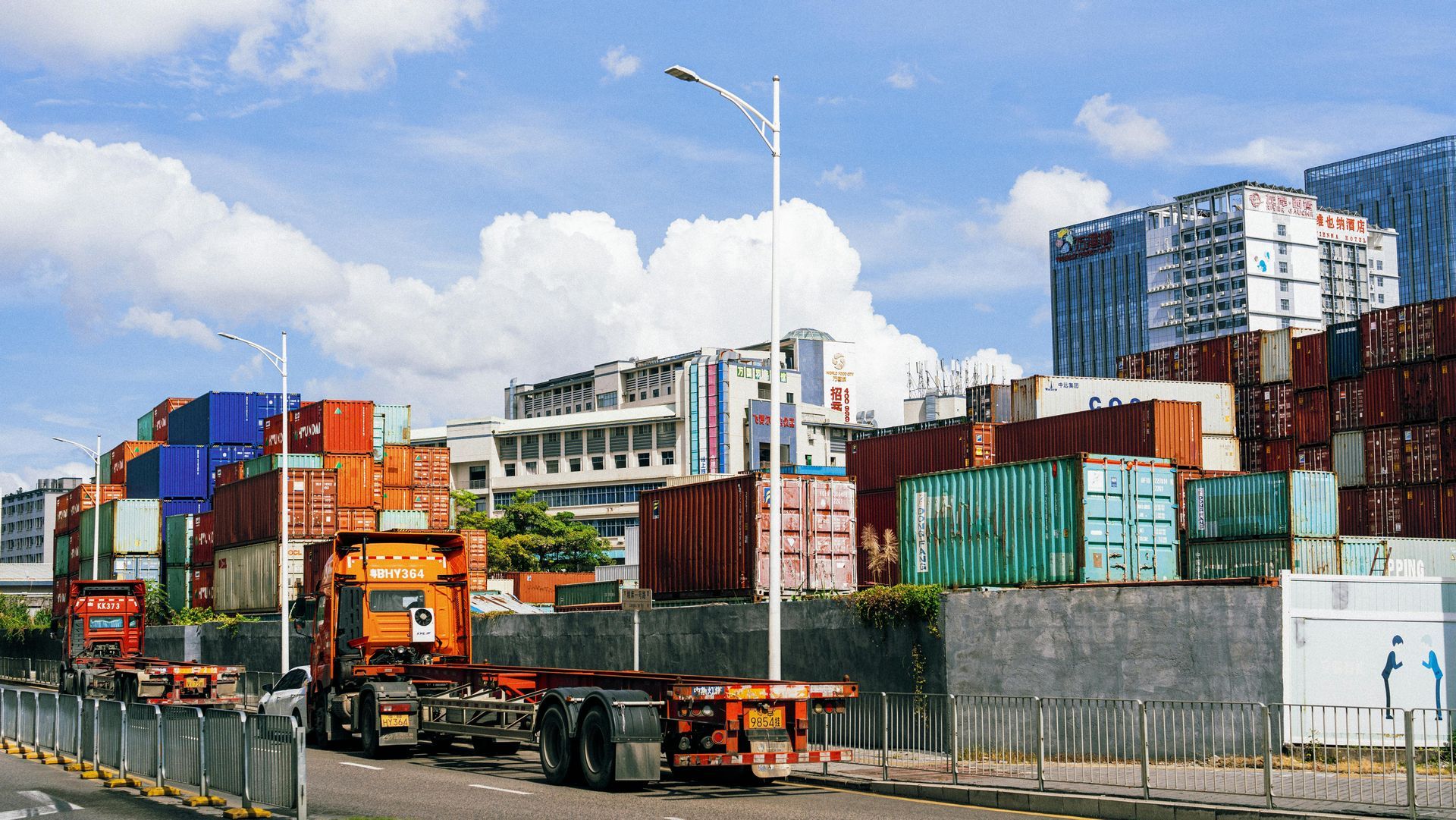
Intermodal drayage operations come with a different set of risks compared to standard trucking. Moving containers between ports, rail yards, and distribution points requires precision, timing, and compliance with multiple entities. Whether you’re operating out of Alabama terminals or running routes connected to regional rail hubs and ports across the Southeast, your coverage needs to reflect how this work is done. Shield Insurance helps businesses across Alabama and beyond build intermodal drayage insurance coverage that supports both local and regional operations.
What Intermodal Drayage Insurance Includes
Core protection for containers, equipment, and liability
Commercial Auto Liability
Covers accidents and claims while transporting containers between locations.
Interchange Coverage
Protects containers that are not owned by you but are in your possession.
Physical Damage
Covers your trucks and chassis from accidents, theft, or damage.
Cargo Coverage
Applies to goods being transported within containers.
Many operators rely on intermodal trucking insurance policies that combine these elements into one structure designed for port and rail logistics.
Unique Risks in Intermodal Operations
Why specialized coverage matters
Container interchange agreements
You’re responsible for equipment owned by third parties.
Port and rail yard environments
Operating in busy, controlled areas increases exposure.
Time-sensitive scheduling
Delays can create financial and contractual pressure.
Multi-party coordination
Working with ports, rail companies, and brokers adds complexity.
Understanding these factors helps you evaluate intermodal insurance requirements and avoid gaps that could disrupt your operation.
Not carrying interchange coverage
Without it, you may be responsible for container damage out of pocket.
Underestimating equipment exposure
Chassis and containers carry significant value and risk.
Not aligning coverage with contracts
Port and rail agreements often require specific limits.
Failing to update policies as routes expand
New lanes and terminals should be reflected in your coverage.
Avoiding these issues helps keep your operation stable and compliant.
Common Mistakes That Lead to Coverage Gaps
Where drayage operations run into issues
Answers to Common Intermodal Drayage Insurance Questions
What is intermodal drayage insurance?
It’s a type of trucking insurance designed for transporting containers between ports, rail yards, and distribution centers.
What is interchange coverage?
It protects containers and equipment owned by others while they are in your possession.
Is this coverage required?
In most cases yes, especially when working under interchange agreements.
How is drayage insurance different from regular trucking insurance?
It includes additional coverage for containers, ports, and rail-related operations.
Can I expand coverage as my operation grows?
Yes, policies can be adjusted as you add routes, equipment, or contracts.
Keep Your Intermodal Operation Running Smoothly
Start with coverage that reflects your real work
Intermodal drayage requires coordination, compliance, and the ability to move efficiently between multiple locations. Having the right insurance in place helps you stay focused on operations without unnecessary setbacks. Shield Insurance works with businesses across Alabama and beyond to provide clear options and practical guidance. You’ll be able to compare policies, understand your risks, and move forward with confidence.
Send Us a Message
We will get back to you as soon as possible.
Please try again later.