
Georgia Trucking Insurance for Owner-Operators and Fleets
Coverage Built for Trucking in Georgia
Support for high-volume routes and regional freight
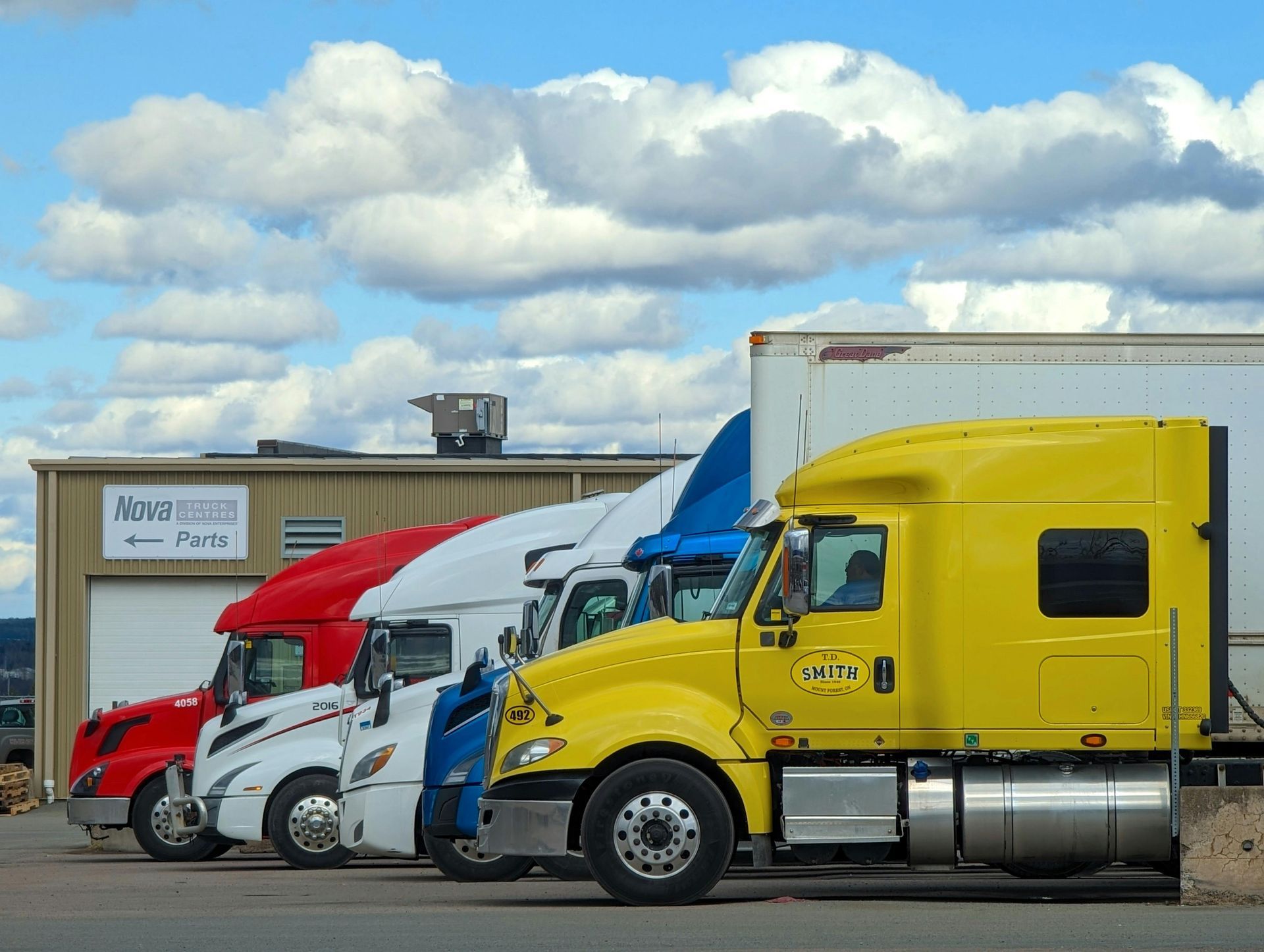
Georgia plays a major role in Southeast trucking, with freight moving through Atlanta, Savannah ports, and major corridors like I-75, I-85, and I-20. Whether you're running local deliveries, port drayage, or long-haul routes across state lines, your insurance needs to reflect how your business actually operates. Shield Insurance works with trucking companies across Georgia and beyond to build Georgia trucking insurance coverage that aligns with both state requirements and real-world operations.

What Trucking Businesses in Georgia Need
Core coverages to stay compliant and competitive

Commercial Auto Liability
Required to operate legally and essential for covering road-related claims.
Motor Truck Cargo
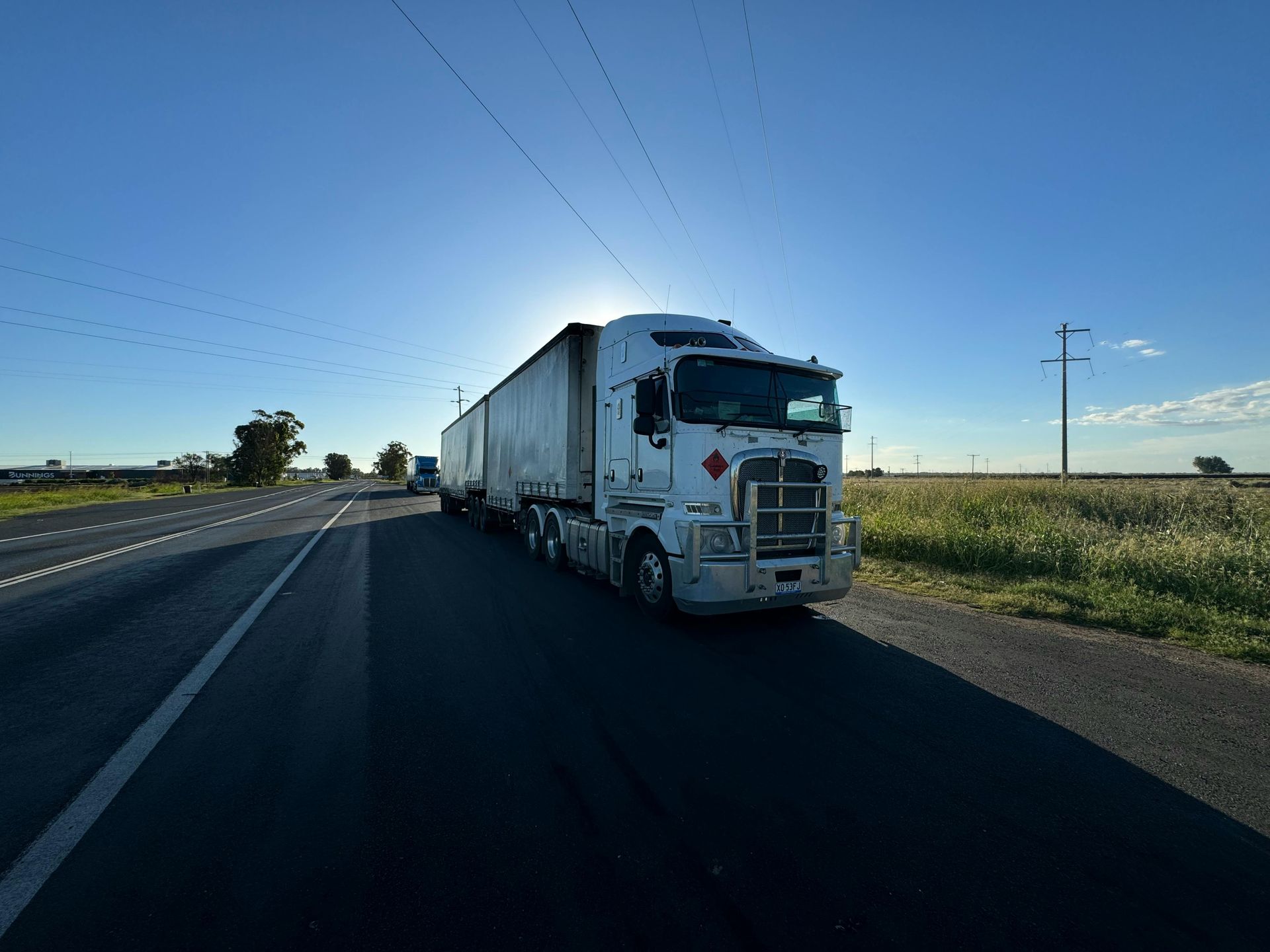
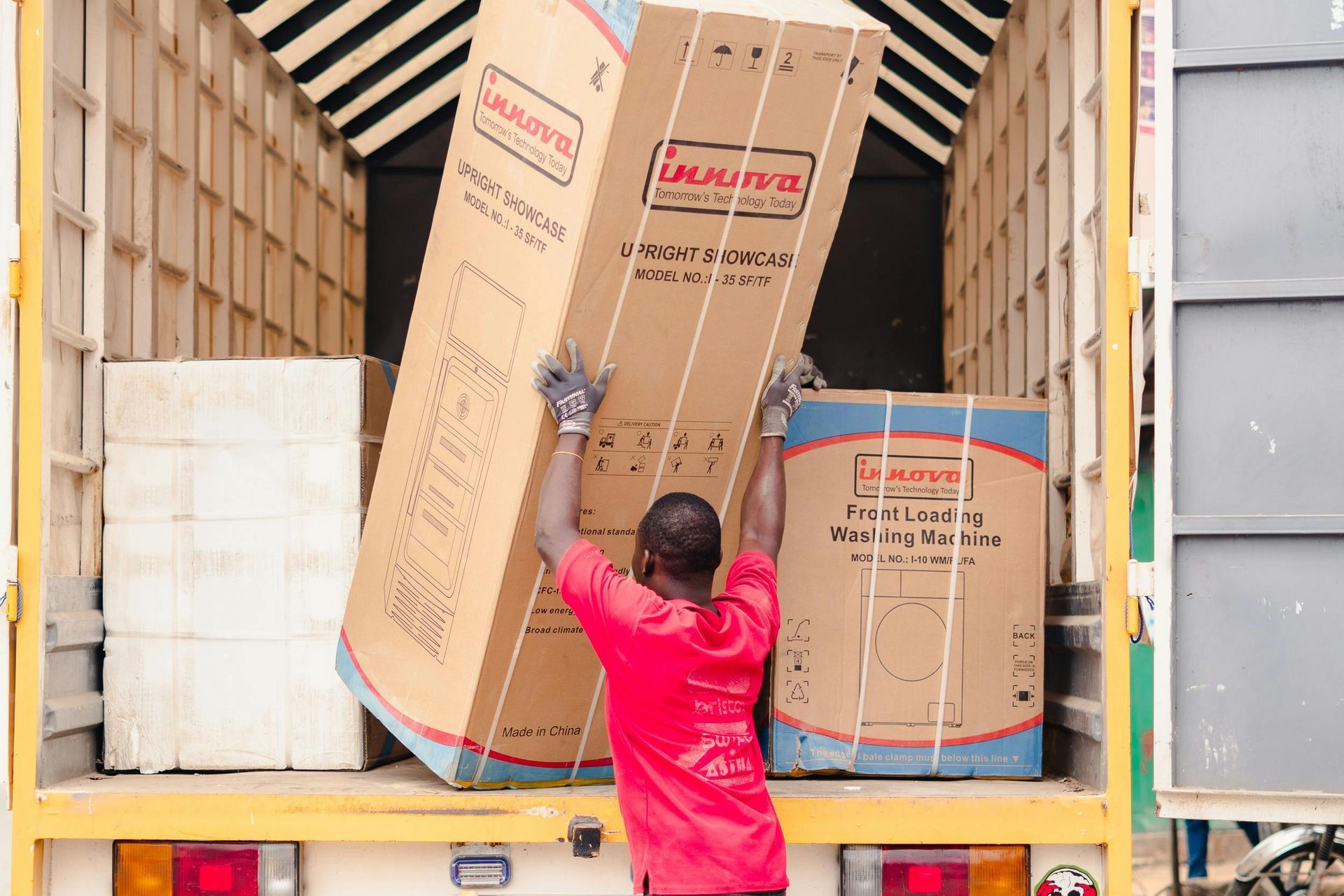
Protects freight moving through busy distribution hubs and regional routes.

Physical Damage
Covers your truck so you can recover quickly after accidents or damage.
General Liability
Adds protection for business-related risks outside of driving.

Workers’ Compensation
Supports drivers and helps meet requirements as your operation grows.
Most businesses across Georgia rely on a combination of these policies. Reviewing commercial trucking insurance Georgia requirements helps ensure your coverage meets both legal standards and contract expectations.
Operating in and Beyond Georgia
Why regional coverage matters for your business
Many Georgia-based trucking operations extend beyond state lines into Alabama, Tennessee, and throughout the Southeast. With access to major logistics hubs like Atlanta and Savannah, businesses often face higher exposure and stricter contract requirements. Whether you're hauling containers from the port or running freight across multiple states, your coverage should reflect that reality. Comparing multi-state trucking insurance options helps ensure your policy supports expansion without creating gaps.
Heavy traffic in metro areas
Atlanta traffic increases the likelihood of accidents and claims
Port and logistics exposure
Operating near Savannah and distribution hubs adds complexity.
Contract and broker requirements
Higher limits are often required for freight and logistics work.
Expanding operations
Growth into new lanes and states increases risk.
Addressing these challenges early helps keep your operation consistent and manageable.
Challenges Georgia Trucking Businesses Face
Where the right coverage makes a difference
Answers to Common Georgia Trucking Insurance Questions
How much trucking insurance is required in Georgia?
Minimum liability depends on your cargo, but many carriers carry higher limits to meet broker requirements.
Is trucking insurance higher near Atlanta?
High-traffic areas can influence risk, which may affect pricing depending on your operation.
Can I get coverage for port and intermodal work?
Yes, specialized coverage can be structured for port and container operations.
How quickly can I get coverage started?
Coverage can often begin quickly once all required information and filings are complete.
Do I need cargo insurance in Georgia?
Most brokers require cargo coverage before assigning loads.
Get Georgia Trucking Insurance That Fits Your Operation
Start with coverage built around your routes and business
If you’re reviewing your policy or setting up new coverage, having the right structure in place makes a difference. Shield Insurance works with trucking businesses across Georgia and beyond to provide clear options and practical guidance. You’ll be able to compare policies, understand your risks, and move forward with confidence.
Send Us a Message
We will get back to you as soon as possible.
Please try again later.